Intermittent fasting (IF) isn't a diet — it's an eating pattern. Instead of restricting what you eat, you restrict when you eat. The science behind it is compelling: improved fat loss, better insulin sensitivity, enhanced autophagy (cellular cleanup), and even longevity benefits. Here's everything you need to know to get started.
How Intermittent Fasting Works
When you eat, your body spends 3-5 hours digesting and absorbing food. During this "fed state," insulin levels are high, and your body primarily burns glucose (sugar) for energy. Fat burning is essentially paused.
After about 12 hours without food, you enter the "fasted state." Insulin drops, and your body shifts to burning stored fat for energy. This is where the magic happens. Extended fasting also triggers autophagy — a cellular recycling process where your body cleans out damaged cells and regenerates new ones.
Think of it like this: your body has two fuel tanks. The glucose tank (from food) is used first. Only when it's empty does your body tap into the fat tank. Intermittent fasting simply ensures you spend enough time in the fat-burning zone each day.
The Best IF Protocols
16:8 Method (Most Popular)
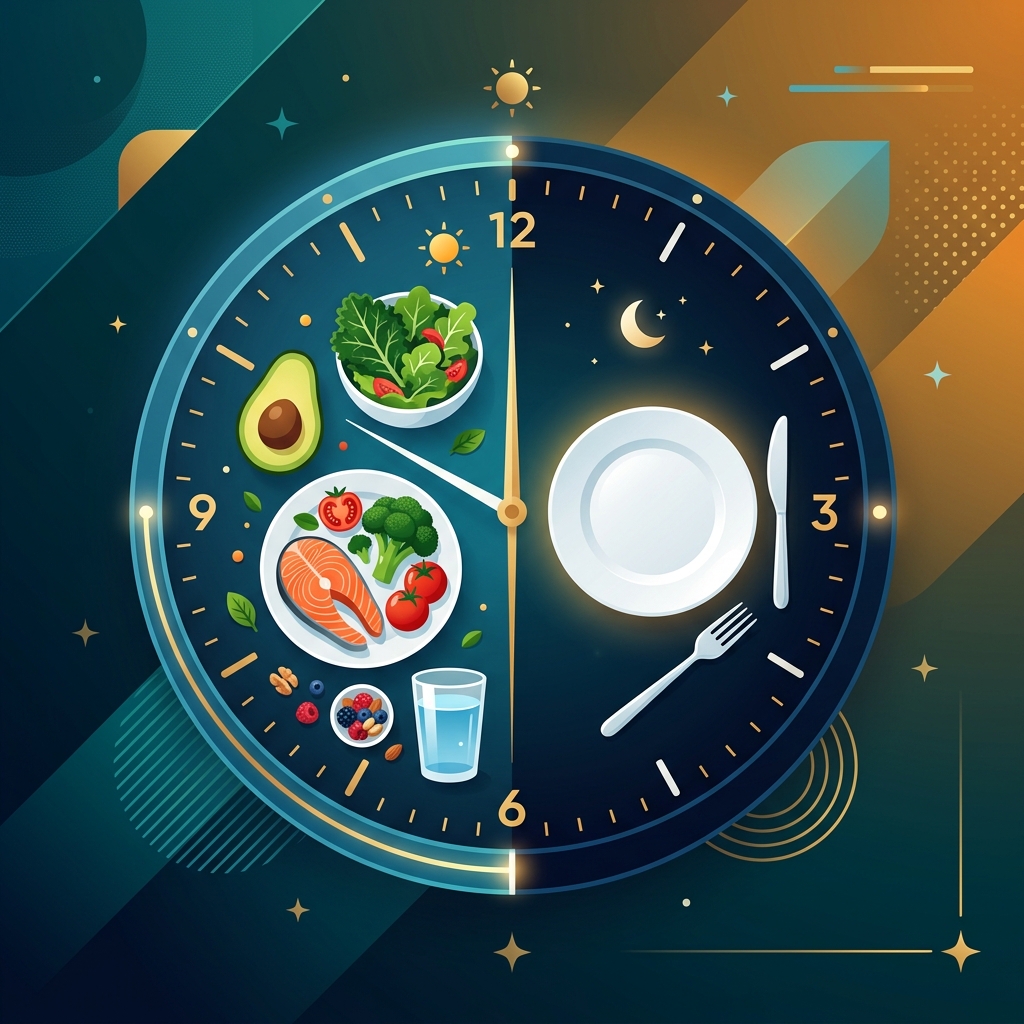
Fast for 16 hours, eat within an 8-hour window. This is the most sustainable and beginner-friendly approach. Most people skip breakfast and eat between 12 PM and 8 PM, though you can adjust the window to fit your schedule.
- Difficulty: Easy — you're already fasting while sleeping
- Best For: Beginners, daily practice, long-term sustainability
- Example: Last meal at 8 PM → First meal at 12 PM next day
20:4 Method (Warrior Diet)
Fast for 20 hours and eat within a 4-hour window. This is more aggressive and works well for people who prefer one or two large meals rather than multiple small ones. The fasting benefits are more pronounced due to the extended fast.
- Difficulty: Moderate
- Best For: Experienced fasters, those who enjoy larger meals
- Example: Eat between 4 PM and 8 PM only
OMAD (One Meal a Day)
Exactly what it sounds like — you eat one large meal per day and fast for approximately 23 hours. This provides the maximum fasting benefits but requires careful planning to ensure you get enough calories and nutrients in that single meal.
- Difficulty: Hard
- Best For: Advanced practitioners, rapid fat loss phases
- Warning: Risk of undereating. Track your calories.
5:2 Method
Eat normally for 5 days per week, then restrict calories to 500-600 on 2 non-consecutive days. This is popular because you only have to "diet" two days a week, making it psychologically easier for some people.
- Difficulty: Easy-Moderate
- Best For: People who hate daily restrictions
- Example: Normal eating Mon-Fri, 500 calories on Saturday and Tuesday
Proven Benefits of Intermittent Fasting
- Fat Loss: IF naturally reduces calorie intake and increases fat oxidation. Studies show 3-8% body weight loss over 3-24 weeks.
- Insulin Sensitivity: Fasting reduces insulin resistance, lowering blood sugar by 3-6% and fasting insulin by 20-31%.
- Brain Health: IF increases BDNF (brain-derived neurotrophic factor), which supports learning and memory.
- Autophagy: Cellular cleanup process that may reduce risk of cancer and neurodegenerative diseases.
- Inflammation: Studies show significant reductions in markers of inflammation.
- Simplicity: Fewer meals to plan, prep, and clean up. More time and mental bandwidth.
How to Start (Week-by-Week Plan)
Don't jump straight into 16:8. Ease into it:
- Week 1: Stop eating 3 hours before bed. No snacking after dinner. (12-hour overnight fast)
- Week 2: Push breakfast back by 1 hour. Eat at 9 AM instead of 8 AM. (13-hour fast)
- Week 3: Push breakfast back to 11 AM. (15-hour fast)
- Week 4: First meal at 12 PM. You're now doing 16:8. (16-hour fast)
This gradual approach prevents the hunger pangs, headaches, and irritability that come from going cold turkey.
💡 Track your fasting windows: Use Kimi K3 to create a personalized fasting schedule, generate meal plans that fit your eating window, and calculate your daily macro targets. It's like having a nutritionist on call 24/7.
What to Eat During Your Eating Window
IF doesn't restrict what you eat, but what you eat still matters for results. Prioritize:
- Protein: Aim for 0.7-1g per pound of body weight daily. Chicken, fish, eggs, Greek yogurt, legumes.
- Healthy Fats: Avocado, olive oil, nuts, fatty fish. These keep you satiated longer.
- Complex Carbs: Sweet potatoes, brown rice, oats, quinoa. Time these around workouts.
- Vegetables: Fill half your plate with vegetables at every meal for fiber, vitamins, and micronutrients.
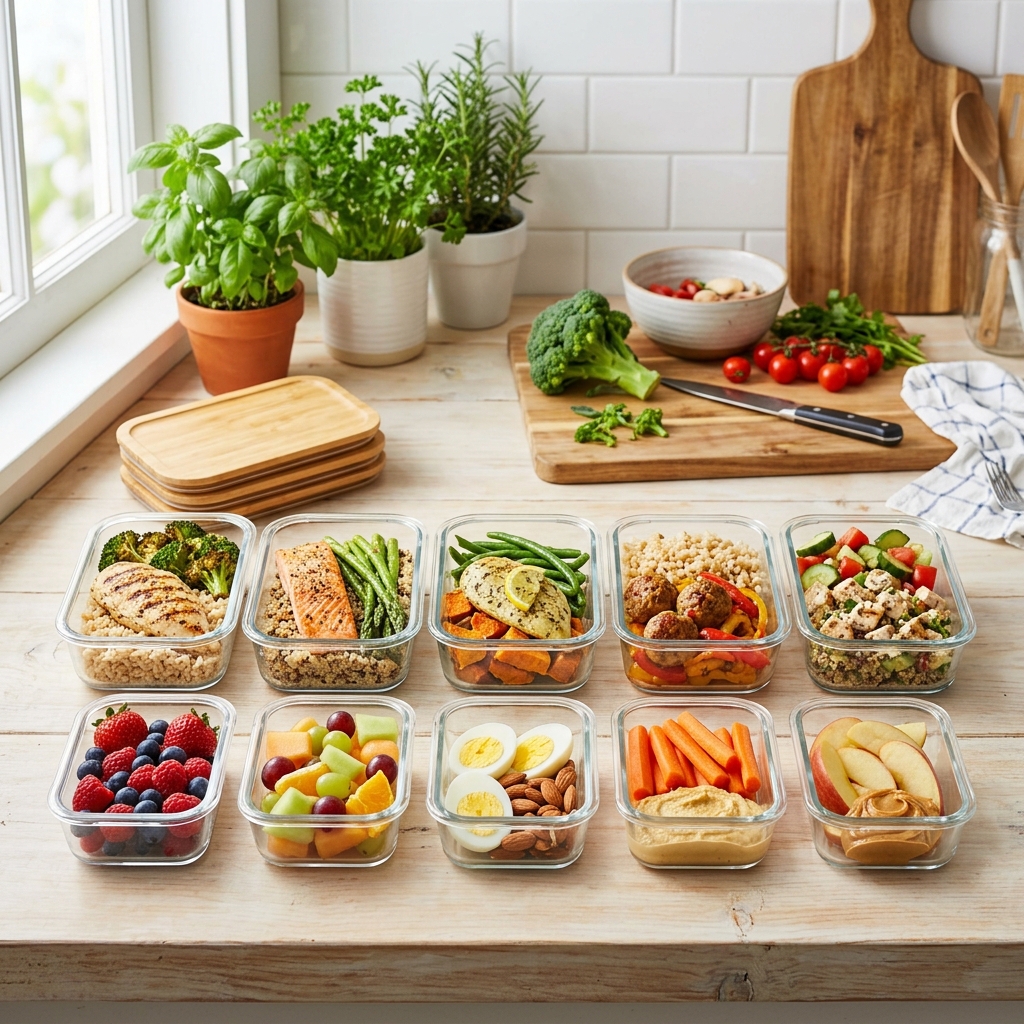
For detailed meal prep strategies that complement IF, check out our meal prep guide for beginners.
What Breaks a Fast? (And What Doesn't)
During your fasting window, stick to zero-calorie beverages:
- ✅ Water (plain, sparkling, or with lemon)
- ✅ Black coffee (no cream, no sugar)
- ✅ Plain tea (green, black, herbal)
- ✅ Electrolytes (zero-calorie, no sweetener)
- ❌ Anything with calories — juice, milk, cream, diet soda (debatable)
- ❌ Supplements with calories — protein powder, BCAAs, gummy vitamins
Common Mistakes to Avoid
- Overeating during your window: IF doesn't work if you binge eat 4,000 calories in 8 hours. Calories still matter.
- Not drinking enough water: You lose electrolytes faster while fasting. Drink at least 2-3 liters daily.
- Starting too aggressively: Going from eating all day to OMAD on day one is a recipe for failure.
- Ignoring nutrition quality: Eating junk food within your window will still make you feel terrible and stall results.
- Fasting too long too often: Extended fasts (24+ hours) should be done sparingly and with medical guidance.
The Money-Saving Bonus
Here's an underappreciated benefit: eating fewer meals saves real money. If you skip breakfast and eat only 2 meals per day, you could easily save $100-200 per month on groceries and takeout. That's money you can redirect into your savings account or investment portfolio.
Health and wealth truly go hand in hand.
The Bottom Line
Intermittent fasting is one of the simplest, most effective health interventions available. It costs nothing, requires no special foods, and can be adapted to any lifestyle. Start with the 16:8 method using our 4-week ramp-up plan, focus on eating quality foods during your window, and stay consistent. The results — both physical and mental — will speak for themselves.