
In the relentless pursuit of peak physical performance, whether you're a weekend warrior, a dedicated marathoner, or someone simply trying to keep up with a demanding physical job, we often obsess over the workout itself. We track our macros, optimize our lifting regimens, and carefully plan our training splits. However, science has made one thing abundantly clear: the adaptations that make us stronger, faster, and more resilient don't happen while we are working out. They happen during the recovery phase.
Overtraining and inadequate recovery are the primary causes of chronic injuries, fatigue, and stalled progress. In 2026, the paradigm has shifted. Elite athletes and everyday fitness enthusiasts alike are realizing that how you recover is just as important—if not more important—than how you train. This is the era of next-level recovery. In this comprehensive guide, we will explore the most effective, scientifically backed methods to accelerate healing, reduce inflammation, and get you back in the game faster.
1. The Biological Science of Recovery
To understand why recovery strategies are necessary, we must first understand what happens to our bodies during intense physical exertion. Exercise is, fundamentally, a stressor. When you lift heavy weights or engage in intense cardiovascular activity, you are actively causing micro-tears in your muscle fibers. You are depleting your body's glycogen stores (its primary energy source), and you are accumulating metabolic byproducts like lactic acid and hydrogen ions in your tissues.
The recovery process is the body's mechanism for repairing this damage and restoring homeostasis. During this phase, the body clears out the metabolic waste, replenishes energy stores, and, most importantly, synthesizes new proteins to rebuild the damaged muscle fibers stronger than they were before. This is the mechanism of muscular hypertrophy and strength gains. If you do not allow adequate time and provide the right environment for this process to occur, the micro-damage accumulates, leading to chronic inflammation, joint pain, and eventually, severe injury.
The goal of advanced recovery techniques is to optimize this biological process. We want to enhance blood flow to deliver nutrients to damaged tissues, reduce systemic and localized inflammation, and stimulate the parasympathetic nervous system (the "rest and digest" state) to promote deep, restorative healing.
2. Sleep: The Uncompromising Foundation
Before we dive into high-tech gadgets and advanced therapies, we must address the most potent, most critical recovery tool in existence: sleep. No amount of massage, cold plunges, or supplements can outwork the negative effects of chronic sleep deprivation. During the deep stages of non-REM sleep, your pituitary gland releases a surge of human growth hormone (HGH), which is essential for tissue repair and muscle growth.
For optimal recovery, aiming for 7 to 9 hours of high-quality sleep is non-negotiable. Quality is just as important as quantity. To improve sleep architecture, focus on sleep hygiene. Maintain a consistent sleep schedule, even on weekends. Keep your bedroom cool (around 65°F or 18°C), completely dark, and quiet. Crucially, limit exposure to blue light from screens at least an hour before bed, as blue light suppresses the production of melatonin, the hormone that regulates your sleep-wake cycle.
If you struggle with sleep, consider natural supplements like Magnesium Glycinate, which has been shown to calm the central nervous system, or L-Theanine. But remember, supplements are additions to good habits, not replacements for them.
3. Nutritional Recovery and Aggressive Hydration
What you consume in the hours following an intense workout dictates how well you will recover. The classic "anabolic window" might be slightly overstated, but the principle remains sound: your body needs building blocks to repair itself.
Protein is paramount. Aim for 20 to 40 grams of high-quality protein within a few hours of training to maximize muscle protein synthesis. But don't neglect carbohydrates. Intense exercise depletes muscle glycogen. Consuming complex carbohydrates alongside your protein helps shuttle nutrients into the muscle cells and replenishes your energy stores for the next session.
Equally important is aggressive hydration. Water is the medium through which all metabolic processes in the body occur, including the clearing of waste products from your muscles. Dehydration severely impairs the body's ability to heal and increases the perception of muscle soreness (DOMS). Furthermore, if you are sweating profusely, you are losing critical electrolytes—sodium, potassium, and magnesium. Replenishing these electrolytes is vital for maintaining proper muscle function and preventing painful cramps.
4. The Power of At-Home Shockwave Therapy
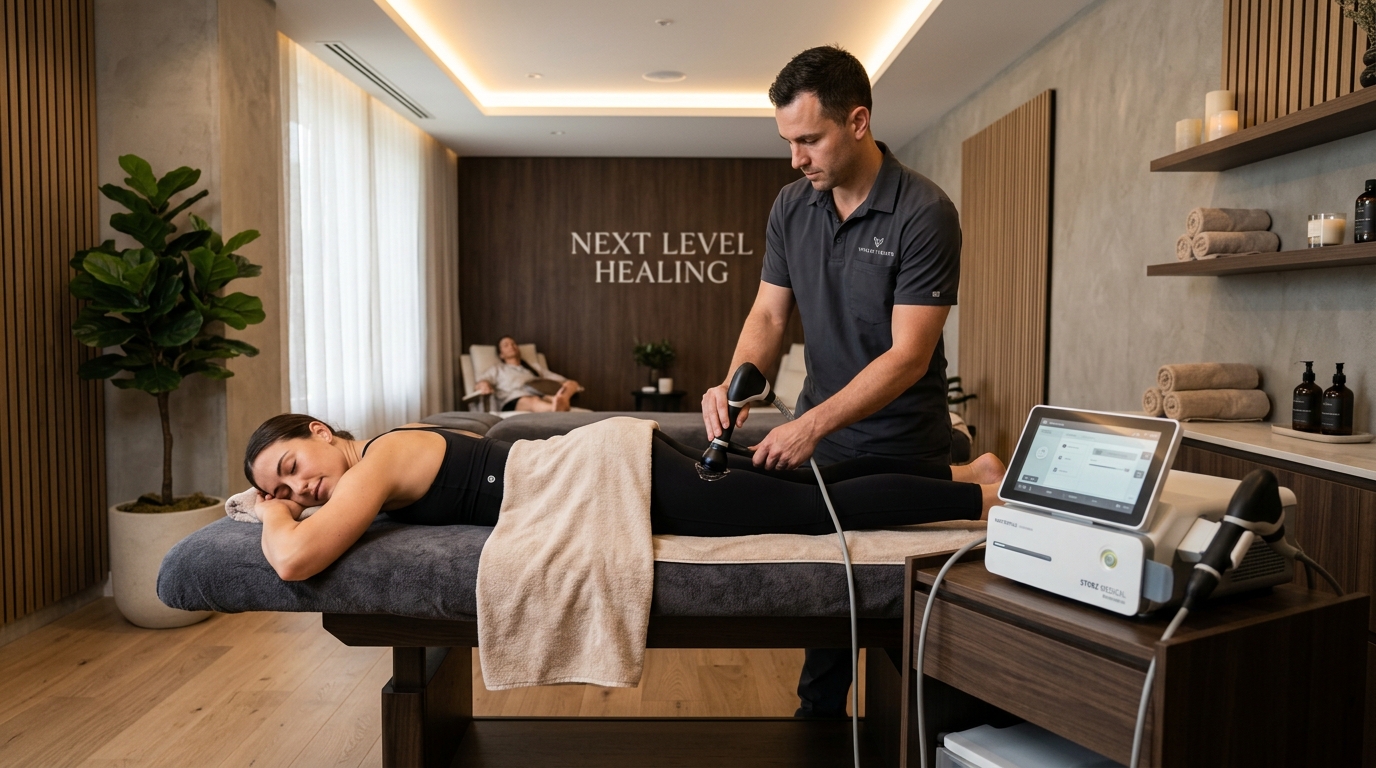
For years, shockwave therapy was a closely guarded secret of elite professional sports teams and specialized physical therapy clinics. It involves sending high-energy acoustic waves into targeted areas of the body. These waves stimulate the body's natural healing cascade by increasing blood flow, promoting the formation of new blood vessels (angiogenesis), and breaking down calcifications in tendons.
Today, this incredible technology is available for home use, and it is a game-changer for anyone dealing with chronic tendonitis (like tennis elbow or Achilles issues), plantar fasciitis, or stubborn muscle knots. Instead of paying hundreds of dollars per session at a clinic, you can now administer this highly effective treatment yourself.
If you are serious about accelerating your recovery and eliminating nagging pains, we highly recommend the SHOCK VITALIZE device. This premium at-home unit delivers clinical-grade acoustic waves directly to the source of pain. By incorporating the SHOCK VITALIZE device into your weekly routine, you can significantly reduce localized inflammation, break up scar tissue, and dramatically shorten the healing time for soft tissue injuries. It is an invaluable investment for long-term physical health and pain-free movement.
5. Active Recovery and Mobility Work
A common misconception is that recovery means complete rest—sitting on the couch and doing absolutely nothing. While complete rest days are necessary, "active recovery" is often more effective for reducing muscle soreness and stiffness.
Active recovery involves engaging in low-intensity exercise that increases blood flow without adding significant stress to the body. This could be a light 20-minute cycle, a brisk walk, or a gentle swimming session. The increased circulation helps flush out metabolic waste products like lactic acid and delivers oxygen and nutrients to the recovering tissues faster than complete rest would.
Coupled with active recovery, dedicated mobility work is essential. This is not just static stretching before a workout. True mobility work involves moving joints through their full range of motion. Practices like yoga, dynamic stretching, and the use of mobility tools (like foam rollers or lacrosse balls) help maintain tissue elasticity, prevent fascial adhesions (knots), and ensure that your joints remain healthy and functional. Just 10 to 15 minutes of targeted mobility work a day can prevent a host of chronic overuse injuries.
6. Temperature Therapies: Cold Plunges and Saunas
Manipulating the body's temperature is one of the oldest and most effective recovery techniques, and it has seen a massive resurgence in popularity. The protocols involve either extreme cold (cryotherapy or cold plunging) or extreme heat (saunas).
Cold Water Immersion: Plunging into cold water (typically 50°F/10°C or colder) immediately after intense exercise causes intense vasoconstriction—the narrowing of blood vessels. This rapidly decreases tissue temperature and significantly reduces acute inflammation and swelling. It also provides a massive endorphin rush. However, it's worth noting that while cold plunges are excellent for reducing pain and inflammation, some recent studies suggest that doing them immediately after resistance training might slightly blunt muscle hypertrophy. Therefore, they are best utilized after cardiovascular training, high-impact sports, or on rest days.
Heat Therapy (Sauna): Conversely, exposing the body to intense heat in a traditional or infrared sauna causes vasodilation—the widening of blood vessels. This massive increase in peripheral blood flow promotes profound muscle relaxation and speeds up the delivery of healing nutrients to damaged tissues. Furthermore, heat stress triggers the release of Heat Shock Proteins (HSPs), which repair damaged proteins in the body and provide robust protection against future cellular stress. Regular sauna use is also strongly correlated with improved cardiovascular health and longevity.
Conclusion: Build Your Recovery Routine
Recovery is not a one-size-fits-all prescription, nor is it something you only think about when you are already injured. It should be a proactive, integrated part of your daily routine.
Start by nailing the fundamentals: prioritize high-quality sleep, ensure adequate protein intake, and stay aggressively hydrated. Once the foundation is set, layer in advanced protocols. Utilize active recovery days, and invest in targeted treatments like the SHOCK VITALIZE device to handle specific soft tissue issues and accelerate healing. Experiment with temperature therapies to find what makes your body feel its best. By treating your recovery with the same dedication and intensity as your training, you will not only bounce back faster, but you will unlock levels of performance and well-being you never thought possible.
Frequently Asked Questions
Are massage guns as effective as shockwave therapy?
No. Massage guns provide percussive therapy, which is excellent for superficial muscle relaxation and temporarily increasing blood flow to the skin. However, they do not penetrate deeply enough to break down calcifications in tendons or stimulate the profound cellular repair mechanisms that clinical acoustic shockwaves (like those from the SHOCK VITALIZE device) provide. They are two different tools for two different purposes.
Is it better to stretch before or after a workout?
Static stretching (holding a stretch for 30+ seconds) should generally be reserved for after your workout, when your muscles are warm, to help improve flexibility and relax the nervous system. Before a workout, you should focus on dynamic stretching—active movements that mimic the exercise you are about to perform. This lubricates the joints and prepares the muscles for load without decreasing their power output.
Disclosure: Some links in this article may be affiliate links. This means we may earn a small commission if you make a purchase through them, at no extra cost to you. We only recommend products we genuinely believe in.