The Power of Mindfulness: Reducing Daily Stress in 2026

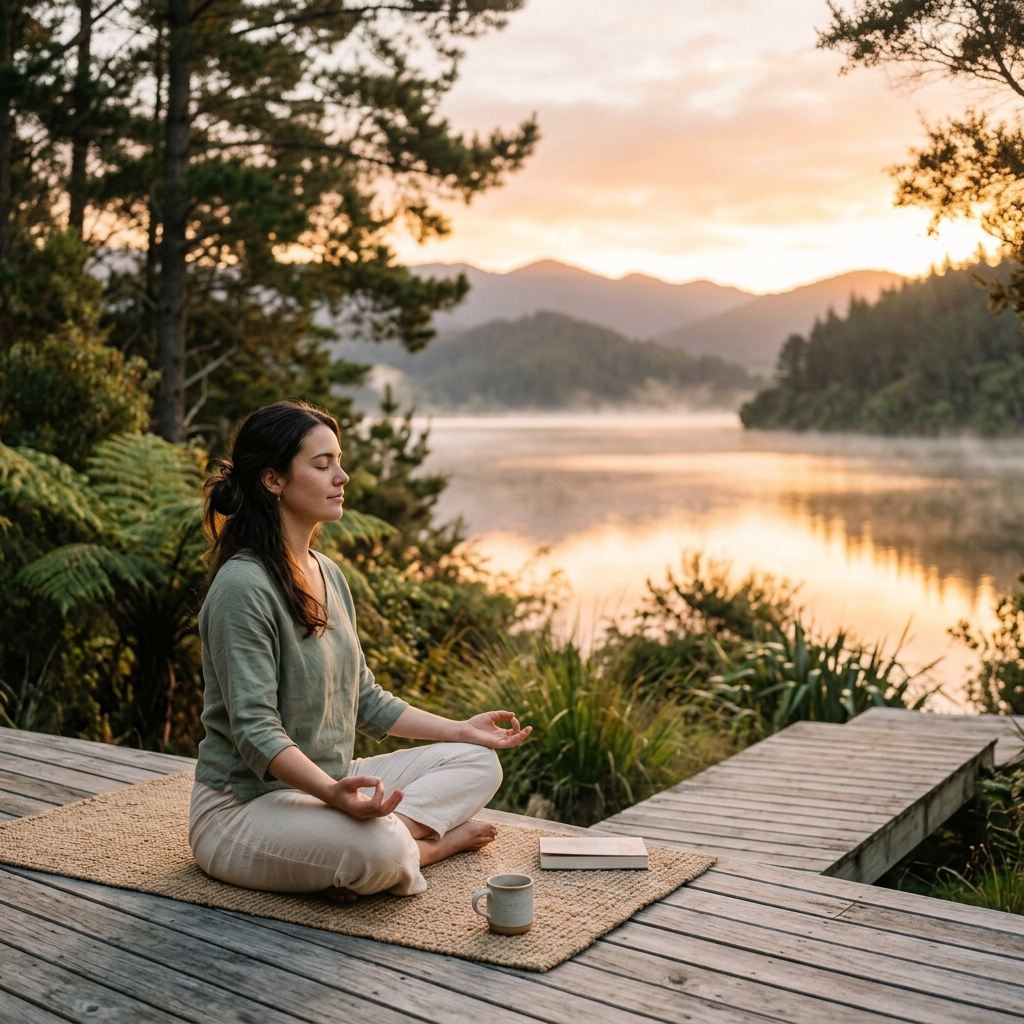
In our hyper-connected world, stress has become an almost unavoidable part of daily life. Between constant notifications, work pressures, social media comparison, and the never-ending news cycle, our nervous systems are in overdrive. However, practicing mindfulness offers a powerful antidote, allowing you to regain control over your mental state and significantly reduce anxiety.
Mindfulness is simply the practice of being fully present and engaged in the moment, without judgment. It's not about emptying your mind or sitting cross-legged for hours — it's about developing a new relationship with your thoughts and emotions. Research from institutions like Harvard Medical School and the American Psychological Association consistently shows that even brief daily mindfulness practice can rewire your brain, reduce cortisol levels, and improve overall well-being.
In this comprehensive guide, we'll explore practical, science-backed mindfulness techniques you can integrate into your busy schedule — no meditation retreat required.
Understanding the Science of Stress
Before diving into mindfulness techniques, it helps to understand why stress feels so overwhelming. When your brain perceives a threat — whether it's a looming deadline or a confrontational email — it activates the fight-or-flight response. Your amygdala (the brain's alarm center) sends a distress signal to your hypothalamus, which triggers the release of cortisol and adrenaline.
In short bursts, this response is healthy and even life-saving. But when you're chronically stressed, your body stays in this heightened state for hours or days at a time. The consequences are serious:
- Weakened immune system: Chronic cortisol suppresses your immune response, making you more susceptible to illness.
- Poor sleep quality: An overactive stress response makes it harder to fall asleep and reduces the deep, restorative stages of sleep.
- Weight gain: Cortisol increases cravings for high-sugar, high-fat foods and promotes fat storage around the abdomen.
- Cognitive decline: Sustained stress shrinks the prefrontal cortex (responsible for decision-making) and enlarges the amygdala, creating a vicious cycle of anxiety.
- Cardiovascular issues: Chronic stress raises blood pressure and increases the risk of heart disease over time.
Mindfulness works by activating the parasympathetic nervous system — your body's "rest and digest" mode. It literally reverses the physiological effects of chronic stress at a neurological level.
Start with Deep Breathing
The simplest and most immediate way to activate your parasympathetic nervous system is through focused breathing. When you feel overwhelmed, pause for a moment. Inhale deeply through your nose for four seconds, hold for four seconds, and exhale slowly through your mouth for six seconds. This technique, known as box breathing (also used by Navy SEALs to stay calm under extreme pressure), instantly signals your nervous system to calm down.
Why does this work? The vagus nerve — the longest cranial nerve in your body — connects your brain to your lungs, heart, and gut. Slow, deep exhalation stimulates the vagus nerve and triggers a measurable drop in heart rate and blood pressure within seconds.
- Set Reminders: Use your phone or smartwatch to remind you to take three deep breaths every hour. Many smartwatches (Apple Watch, Garmin, Fitbit) now have built-in breathing exercises.
- Morning Routine: Spend the first five minutes after waking up focusing solely on your breath before checking your phone. This sets a calm foundation for your entire day.
- The 4-7-8 Method: For deeper relaxation, try inhaling for 4 seconds, holding for 7 seconds, and exhaling for 8 seconds. This extended exhale is particularly effective for calming pre-sleep anxiety.
Body Scan Meditation
A body scan is one of the most effective mindfulness practices for releasing physical tension you didn't even know you were carrying. Most people hold stress in their shoulders, jaw, lower back, or stomach without being consciously aware of it.
Here's how to do a 10-minute body scan:
- Lie down or sit comfortably with your eyes closed.
- Start by focusing your attention on the top of your head. Notice any sensations — warmth, tingling, pressure, or nothing at all. Don't try to change anything; just observe.
- Slowly move your attention down through your forehead, eyes, jaw, neck, and shoulders. Pause at each area for 15-30 seconds.
- Continue down through your arms, hands, chest, stomach, lower back, hips, thighs, knees, calves, and feet.
- When you notice tension, breathe into that area. Imagine your breath flowing directly to the tight spot and softening it.
- Finish by taking three deep breaths and slowly opening your eyes.
Mindful Walking
You don't have to sit still to be mindful. In fact, for many people, mindful walking is more accessible and enjoyable than seated meditation. A 10-minute walk where you consciously focus on the physical sensation of your feet touching the ground, the rhythm of your stride, and the sounds around you can be highly restorative.
The key difference between a mindful walk and a regular walk is intention. Instead of walking while planning your to-do list or replaying a conversation in your head, you deliberately bring your attention to the present moment:
- Feel the ground beneath your feet — is it hard concrete, soft grass, or uneven gravel?
- Notice the temperature of the air on your skin.
- Listen to the ambient sounds — birds, traffic, wind, distant conversations.
- When your mind wanders (it will), gently redirect your focus back to the physical sensations of walking. No judgment, no frustration — just a gentle return.
Gratitude Journaling
Gratitude journaling is a simple but scientifically validated mindfulness practice. Research from UC Berkeley's Greater Good Science Center found that people who wrote down three things they were grateful for each day reported 25% higher levels of well-being after just two weeks.
The practice works by training your brain to scan for positive experiences instead of threats. Over time, this creates new neural pathways that default to optimism rather than anxiety. Here's how to get started:
- Keep a small notebook by your bed or use a notes app on your phone.
- Every morning or evening, write down 3 specific things you're grateful for. Be specific — "I'm grateful for the warm coffee I had this morning" is much more effective than "I'm grateful for food."
- Include at least one thing involving another person (this strengthens social bonds and oxytocin production).
- Don't overthink it. Even on terrible days, you can find something — a warm shower, a kind word from a stranger, or simply the fact that you woke up.
Mindful Eating
Most of us eat on autopilot — scrolling through our phones, watching TV, or eating at our desks while working. Mindful eating is the practice of bringing full attention to the experience of eating. This not only reduces stress but also improves digestion and helps prevent overeating.
Try this experiment with your next meal:
- Put away all screens. Sit at a table with just your food.
- Before eating, take three deep breaths to transition from "doing" mode to "being" mode.
- Look at your food. Notice the colors, textures, and arrangement.
- Take your first bite slowly. Chew thoroughly and notice the flavors, temperature, and texture.
- Put your fork down between bites. This simple act slows you down and helps you notice when you're actually full.
You don't need to eat every meal this way — even practicing mindful eating once a day (perhaps breakfast or lunch) can create a meaningful anchor of calm in your day.
Digital Detox: Setting Boundaries with Technology
Constant notifications keep our brains in a perpetual state of high alert. Every ping, buzz, and banner notification triggers a micro-dose of cortisol. Over the course of a day, these small stress hits compound into chronic background anxiety that many people mistake for their "normal" state.
Establishing boundaries with technology is a critical component of modern mindfulness. Here are practical strategies:
- Designate tech-free zones: Keep phones out of the bedroom and dining room. Buy a $10 alarm clock instead of using your phone.
- Batch your notifications: Turn off all non-essential push notifications. Check email and social media at set times (e.g., 9am, 12pm, 5pm) rather than reactively.
- The 30-minute morning buffer: Don't check your phone for the first 30 minutes after waking up. Use this time for breathing, journaling, or your morning routine.
- Screen time tracking: Use built-in screen time tools (iOS Screen Time, Android Digital Wellbeing) to set daily limits on social media apps.
- Grayscale mode: Switching your phone to grayscale makes it dramatically less addictive. The colorful icons and feeds are specifically designed to trigger dopamine hits.
Workplace Mindfulness: Staying Calm Under Pressure
For most people, work is the single largest source of daily stress. Here are techniques you can use without anyone noticing:
- The STOP technique: When you feel overwhelmed, mentally say STOP. Take a breath. Observe what you're feeling (racing heart? tight shoulders? anxious thoughts?). Proceed with awareness. This takes less than 30 seconds.
- Micro-meditations: Before joining a meeting, take 3 deep breaths. Before responding to a frustrating email, take 3 deep breaths. These tiny moments of pause prevent reactive behavior.
- Single-tasking: Multitasking is a myth — what your brain actually does is rapidly switch between tasks, which is incredibly draining. Focus on one task at a time for 25-minute blocks (the Pomodoro Technique) and take a 5-minute mindful break between blocks.
- Walking meetings: Suggest walking meetings for 1-on-1 discussions. Movement naturally reduces stress hormones and often leads to more creative problem-solving.
Best Mindfulness Apps in 2026
If you prefer guided practice, these apps offer structured programs for beginners:
- Headspace: Excellent for absolute beginners. Offers guided courses as short as 3 minutes. The "SOS" meditations for moments of acute stress are particularly useful.
- Calm: Best for sleep-focused mindfulness. Their "Sleep Stories" narrated by celebrities are a relaxing way to wind down.
- Insight Timer: Free and community-driven, with over 100,000 guided meditations across every tradition and style.
- Waking Up (Sam Harris): For those who want a deeper, more philosophical approach to mindfulness without the spiritual overlay.
Building a Sustainable Mindfulness Habit
The biggest mistake people make with mindfulness is trying to do too much too soon, getting frustrated, and quitting. Here's how to make it stick:
- Start absurdly small: Commit to just 2 minutes per day for the first week. Anyone can find 2 minutes.
- Anchor it to an existing habit: Practice right after something you already do every day — brushing your teeth, making coffee, or sitting down at your desk.
- Don't aim for perfection: Your mind will wander constantly. That's completely normal. Every time you notice your mind has wandered and bring it back, you've just done a "mental rep." That's the exercise working.
- Track your streak: Use a simple habit tracker app or mark an X on a calendar. After 7 days, you'll have momentum you don't want to break.
- Increase gradually: Add 1 minute per week. By month 2, you'll be doing 10-minute sessions that feel natural.
Frequently Asked Questions
How long does it take for mindfulness to reduce stress?
Research shows measurable reductions in cortisol levels after just 8 weeks of consistent practice. However, many people report feeling calmer within the first week. The effects are cumulative — the more consistently you practice, the more resilient your nervous system becomes.
Can mindfulness replace therapy or medication?
Mindfulness is a powerful complementary practice, but it is not a substitute for professional mental health treatment. If you're experiencing severe anxiety, depression, or trauma, please consult a licensed therapist or healthcare provider. Many therapists actually incorporate mindfulness techniques (like MBSR — Mindfulness-Based Stress Reduction) into their treatment plans.
I can't sit still for meditation. What should I do?
That's perfectly fine! Mindful walking, mindful eating, and breathwork are all forms of mindfulness that don't require sitting still. Start with walking or breathwork and work your way up to seated meditation as you build your attention "muscle."
What's the best time of day to practice mindfulness?
The best time is whenever you'll actually do it consistently. That said, morning practice (before checking your phone) tends to set a calm tone for the entire day, while evening practice helps you decompress and improve your sleep quality.
Final Thoughts
Mindfulness isn't about achieving some blissful state of perfect calm. It's about building the skill of noticing — noticing when you're stressed, noticing when your body is tense, noticing when your mind is spiraling — so that you can respond intentionally instead of reacting automatically. Start with just 2 minutes today. Your future self will thank you.